
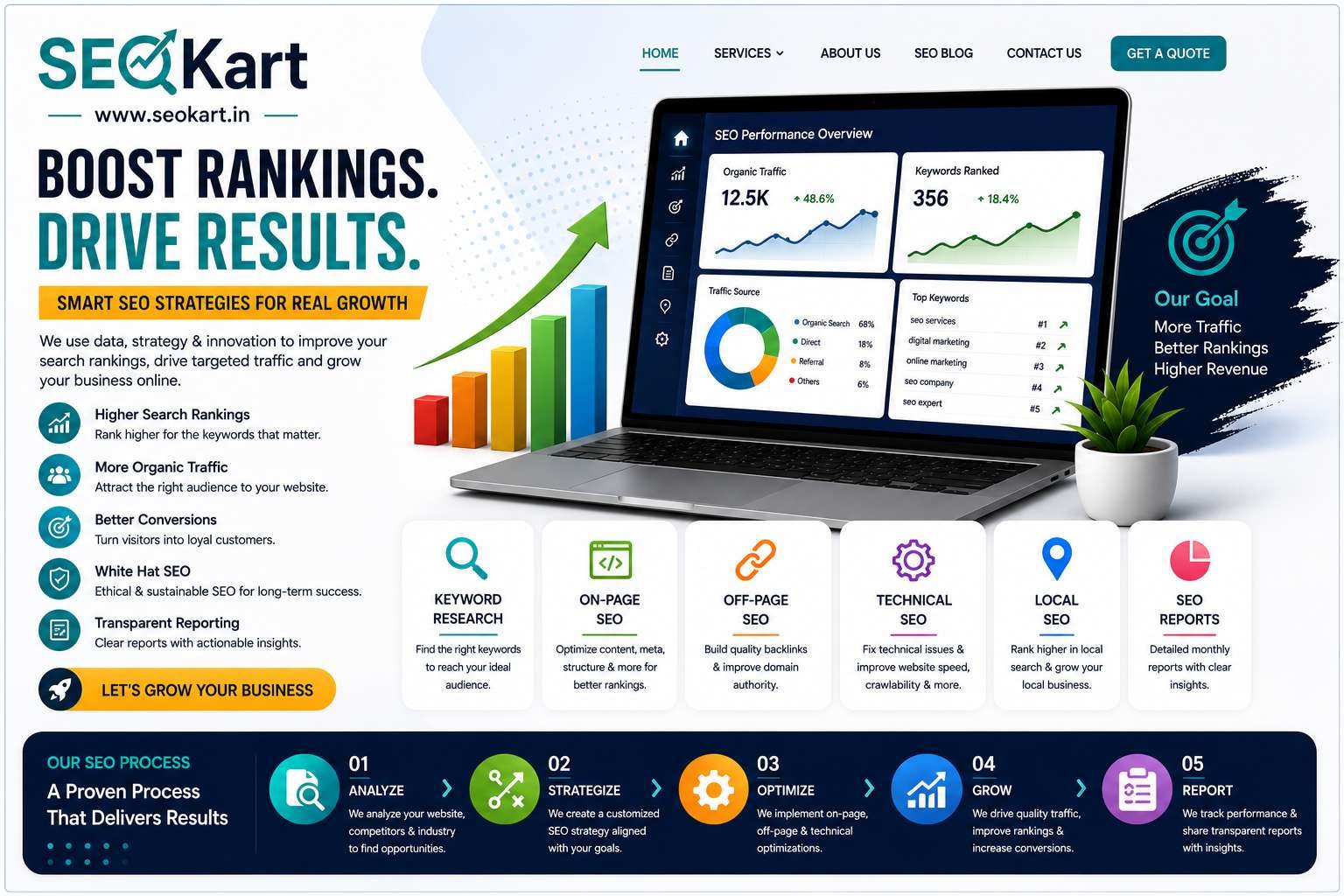
Artificial intelligence is changing the way people search for information online. Search engines are becoming better at understanding context, user intent, and topic relationships, making traditional keyword-focused SEO only part of the equation.
Businesses that want to remain visible in AI-powered search experiences need to adapt their websites and content strategies. The good news is that many of the same principles that drive successful SEO today also help improve visibility in AI-driven search results.
In this guide, we'll explain how to optimize your website for AI search engines and prepare for the future of search.
What Are AI Search Engines?
AI search engines use artificial intelligence to understand search queries and provide more accurate, contextual answers.
Instead of relying primarily on keyword matching, AI-powered search systems evaluate:
- User intent
- Context
- Content quality
- Topic relevance
- Authority signals
- Relationships between concepts
The goal is to provide users with the most helpful and accurate information possible.
Why AI Search Optimization Matters
AI-powered search is becoming increasingly important as search engines continue to evolve.
Businesses that optimize for AI search can benefit from:
- Increased visibility
- Higher-quality traffic
- Improved authority
- Better user engagement
- Long-term SEO sustainability
As AI becomes more integrated into search experiences, websites that fail to adapt may lose visibility over time.
Focus on User Intent First
One of the most important aspects of AI SEO is understanding user intent.
When someone performs a search, AI systems attempt to determine:
- What problem they are trying to solve
- What information they need
- What type of content will satisfy the query
Instead of focusing only on keywords, businesses should focus on creating content that answers real questions and solves real problems.
Example
Rather than targeting only:
"AI SEO"
Create content that answers questions such as:
- What is AI SEO?
- How does AI SEO work?
- Why is AI SEO important?
- How can businesses prepare for AI search?
This approach aligns more closely with how AI systems evaluate content.
Build Topical Authority
AI search engines prefer sources that demonstrate expertise across an entire topic.
Instead of publishing isolated articles, create topic clusters.
Example AI SEO Cluster
- What Is AI SEO?
- AI SEO vs Traditional SEO
- How AI Search Is Changing SEO
- Google AI Overviews and SEO
- How to Optimize for AI Search
Together, these articles demonstrate expertise and strengthen topical authority.
Create Comprehensive Content
AI systems often favor content that provides complete and useful answers.
High-quality content should:
- Cover topics thoroughly
- Include supporting examples
- Address common questions
- Provide practical advice
- Be easy to understand
Comprehensive content helps search engines view your website as a reliable resource.
Improve Content Structure
Well-structured content is easier for both users and search engines to understand.
Use:
Clear Headings
Organize content with logical sections.
Short Paragraphs
Improve readability and user experience.
Bullet Points
Make important information easier to scan.
FAQs
Answer common questions related to the topic.
Good structure helps AI systems identify key information more effectively.
Strengthen Internal Linking
Internal links help search engines understand relationships between pages.
For example, an AI SEO article might link to:
- AI SEO Services
- Technical SEO Services
- Local SEO Services
- Related AI SEO blogs
Strong internal linking improves:
- Topic relevance
- Crawlability
- User experience
- Topical authority
Optimize for Semantic SEO
Semantic SEO focuses on topic relevance rather than keyword repetition.
For example, an article about AI SEO should naturally include related concepts such as:
- Search intent
- Structured data
- Topic clusters
- Technical SEO
- Content optimization
This helps AI systems understand the broader context of your content.
Use Structured Data
Structured data helps search engines interpret information more accurately.
Common schema types include:
- Article Schema
- FAQ Schema
- Local Business Schema
- Service Schema
- Breadcrumb Schema
Structured data can improve search visibility and help AI systems better understand website content.
Improve Technical SEO
AI-powered search still relies on strong technical foundations.
Website Speed
Fast websites improve user experience and search performance.
Mobile Optimization
Ensure your website works well on all devices.
Secure Website
Use HTTPS to build trust and protect users.
Crawlability
Search engines must be able to access and understand your pages.
Clean Site Architecture
Organize content logically to improve navigation and indexing.
Demonstrate Expertise and Trust
AI systems prioritize trustworthy information.
Businesses can strengthen authority by:
- Publishing accurate content
- Sharing industry expertise
- Earning quality backlinks
- Maintaining consistent branding
- Providing transparent business information
Trust remains one of the most important signals in modern SEO.
Optimize for Featured Answers
Many AI-powered search experiences prioritize concise, direct answers.
To improve your chances:
Answer Questions Clearly
Provide straightforward responses early in each section.
Use Lists and Tables
Organized information is easier for search engines to understand.
Include FAQs
Address common user questions directly.
Cover Related Topics
Demonstrate subject expertise through comprehensive coverage.
Keep Content Updated
AI systems prefer relevant and current information.
Regularly review content to:
- Update statistics
- Refresh examples
- Add new insights
- Improve accuracy
Updated content often performs better than outdated articles.
Common Mistakes to Avoid
Keyword Stuffing
Overusing keywords reduces content quality and user experience.
Publishing Thin Content
Short, low-value articles often struggle to compete.
Ignoring Technical SEO
Technical issues can limit visibility regardless of content quality.
Weak Internal Linking
Disconnected content makes it harder to establish topical authority.
Creating Content Only for Search Engines
Focus on helping users rather than manipulating rankings.
The Future of AI Search Optimization
As AI continues to influence search, businesses should focus on:
- High-quality content
- User intent
- Topical authority
- Technical excellence
- Strong internal linking
- Trust and expertise
These principles are likely to remain important regardless of future search engine developments.
Why Choose SEOKart for AI SEO?
At SEOKart, we help businesses prepare for the future of search through advanced AI SEO strategies.
Our services include:
- AI SEO
- Technical SEO
- Local SEO
- Ecommerce SEO
- International SEO
- SEO Audits
- Content Strategy
We help businesses improve visibility, generate qualified leads, and build sustainable growth through modern SEO techniques.
Conclusion
Optimizing for AI search engines requires more than traditional keyword targeting. Businesses must focus on user intent, topical authority, content quality, technical SEO, and trustworthiness.
By implementing these strategies today, your website will be better positioned to succeed as AI-powered search continues to evolve.
Ready to Improve Your AI Search Visibility?
Contact SEOKart today to learn how our AI SEO services can help your business achieve sustainable growth in the age of AI-powered search.